
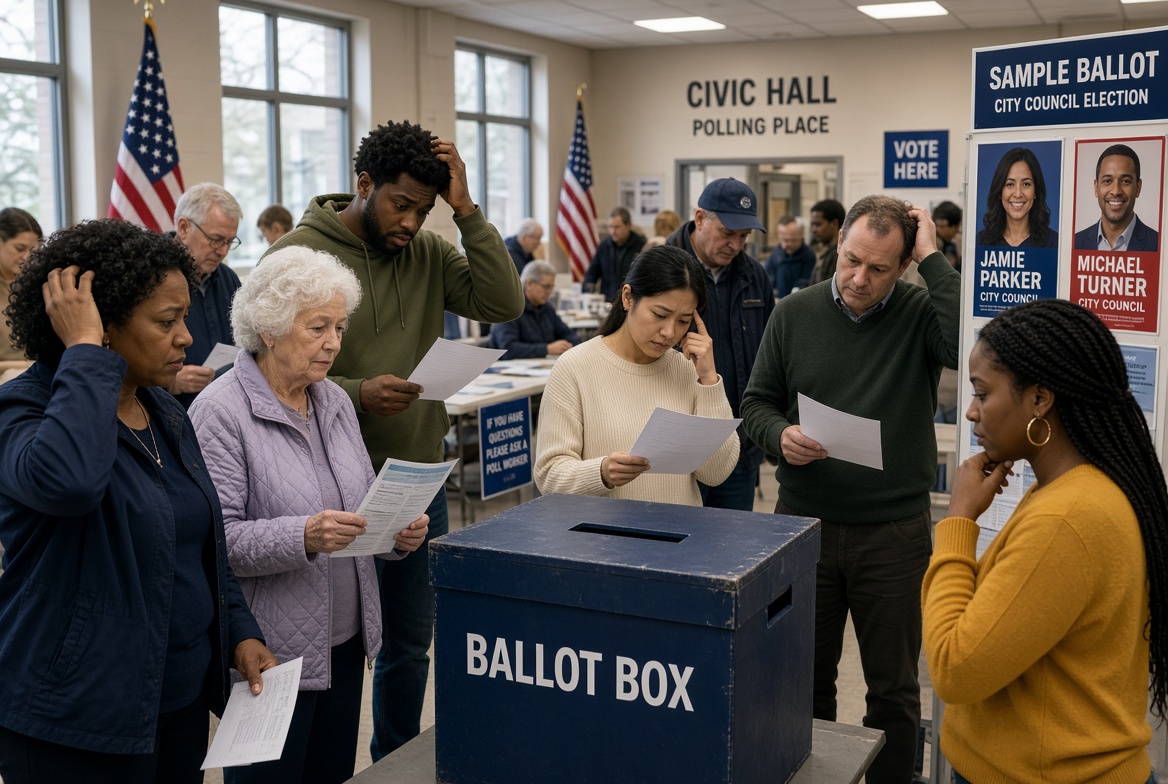
There’s really only one way that Democrats rack up a lot of victories in the midterm elections: Trump (MAGA) voters stay home. Turnout is king. Trump voters can blunt Democrats expected gains.
That doesn’t mean that Democrats won’t pick up congressional seats. Republicans only enjoy a three-seat advantage in the U.S. House. Democrats are capable of flipping a handful of competitive seats to win control. If that happens, their majority will be razor-thin. Competitive House elections often hinge on local issues, personalities, and miscellanea, so a Democrat takeover could happen. But if contests are tight, anything can happen.
The U.S. Senate is another story. There, Republicans prospects brighten.
Key States:
Texas. All the blather about a James Talarico victory in Texas ignores a few facts. One, Ken Paxton – Texas attorney general – has won three statewide elections. He’s a known quantity. In other words, voters are well aware of his negatives and have elected him statewide repeatedly. Second, Texas is a red state. Voters lean right and Republican. Third, the state now has a long voting history favoring Republican candidates. Nothing has changed. Not that an upset can’t happen, but Talarico is an oddball leftist. He stands outside most Texas voters’ faith, values, and cultural comfort zones.
Michigan. Mike Rogers has the inside track despite polls that show him trailing Democrat Abdul El-Sayed. Take note: In the Democrat primary, El-Sayed polled a double-digit lead over his opponent. He won by less than a point. Bet on Rogers under-polling. Plenty of Michigan voters – that’s some Democrats and plenty of independents – won’t admit to opposing El-Sayed for fear of being branded an “Islamophobe.” The black vote will be interesting. Blacks vote Democrat routinely but are predominantly Christians and most blacks hold traditional values. They may not vote for Rogers, but they could skip voting for El-Sayed.
Maine. Veteran GOP senator Susan Collins is routinely underestimated and under-polled. She’ll win again.
New Hampshire. The Sununu name is strong with voters, but the state’s lean favors Chris Papas, a multiterm Democrat congressman.
Ohio. Jon Husted versus Sherrod Brown. Lefty Sherrod Brown held the seat for years and lost two years ago after spending $30 million on his reelection. Husted is the former lt. governor. He’s a proven statewide vote-getter. Ohio is red. Polls tend to understate GOP support. Brown could upset, but the betting is on a close Husted win.
Kansas. Incumbent Republican Roger Marshall enjoys a small lead in the polls. Marshall should pull this out, though the state has wobbled some in recent years.
North Carolina. Democrat Gov. Roy Cooper is a likely winner in a purple state. Michael Whatley hasn’t shown much traction to date. Still, statewide contests are usually close.
Alaska. Incumbent Republican Dan Sullivan trails Mary Peltola by 1.5%. Alaska’s weird election system makes a Peltola win possible. Must watch.
Iowa. GOP Congresswoman Ashley Hinson is a proven vote-getter in a red state. The election is rated as tight, but a strong get-out-the-vote effort by Republicans should put Hinson over the top.
Minnesota. Former ESPN sportscaster Michele Tafoya is trailing Democrat lt. governor Peggy Flannagan by a little more than a percentage point. Minneapolis-St. Paul metro usually decides statewide contests. Tafoya would need a big turnout from outlying communities and rural Minnesota to win. Possible upset. Worth monitoring.
Georgia. Democrat incumbent Jon Ossoff can count on strong support in sprawling Atlanta metro, particularly among blacks and other minorities. Ossoff is favored to retain the Peach State for Democrats unless there’s an unusually big turnout in outlying suburban and rural communities.
Senate Republicans may lose a seat or two, but will hold a 51-49 or 50-50 majority (Vice President J.D. Vance would break ties if the Senate is evenly split).
Midterms are almost always about which party gets their base voters to cast ballots. Out-party voters are usually more strongly motivated to vote. Democrats have some poor candidates, though, and the rise of socialists in the party either turns off or outright scares independents. Yes, gas and grocery store prices are drivers for anti-GOP voters, but the underlying health of the economy is good, and that should blunt GOP losses. And, critically, House redistricting cuts in favor of Republicans.
Here’s the thing: Vote if you don’t want Democrats running the House and impeaching Trump, Hegseth, and whoever else in his cabinet. The Iran war will end earlier in 2027. Gas and grocery store prices will fall. Trump isn’t finished. There’s more work necessary to straighten out the country. Democrats in charge of Congress would do everything in their powers to scuttle Trump’s accomplishments and prevent further successes. Don’t let that happen. Your vote counts!